
DLSS 4.5 Shatters Expectations: New AI Upscaling Tech Redefines Visual Fidelity in Gaming
Gamers have long sought the holy grail of PC gaming: maximum visual quality *without* sacrificing performance. For years, compromises were inevitable – dialing down settings for smoother frame rates, or accepting a blurry image when pushing resolution limits. But a recent blind test conducted by the ComputerBase community suggests a significant leap forward has been made, with Nvidia’s DLSS 4.5 emerging as the clear winner in delivering stunning visuals and maintaining high frame rates. The results, gathered from thousands of participants across six demanding titles, paint a compelling picture: AI-powered upscaling is no longer a compromise, but a genuine enhancement.
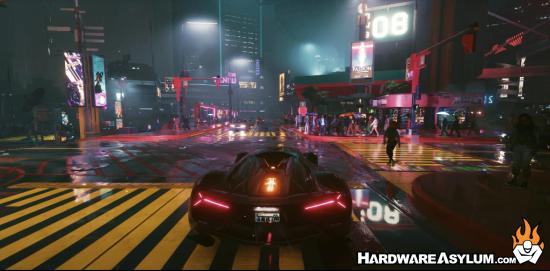
ComputerBase recommends already since the release of DLSS 4 as well as FSR Upscaling AI (if FSR 4 on RX 9000) actually every game completely independent of the performance with the Upsampling technologies of Nvidia and AMD. Because the image quality is equal or better (image stability, details etc.) with a simultaneously noticeable higher framerate. But what does the ComputerBase community find most beautiful?
The blind test methodology is particularly noteworthy. Participants were presented with side-by-side comparisons of native resolution with traditional anti-aliasing (TAA), DLSS 4.5, and AMD’s FSR in Quality mode – without knowing which technology they were viewing. This eliminated brand bias and allowed for a truly objective assessment of visual quality. Across the board, DLSS 4.5 consistently garnered the most votes as the preferred image, often by a substantial margin. While native resolution held its own, particularly in *Cyberpunk 2077*, it frequently fell short of DLSS 4.5’s clarity and detail in other titles like *Anno 117*, *Horizon Forbidden West*, and *Satisfactory*.
What sets DLSS 4.5 apart? The technology leverages advanced AI algorithms to reconstruct images at higher resolutions, effectively filling in the gaps created by rendering at a lower internal resolution. This results in a sharper, more detailed image than traditional upscaling methods, and often rivals or even surpasses the clarity of native rendering. The community feedback suggests that DLSS 4.5 excels in maintaining image stability and reducing artifacts, leading to a more immersive and visually pleasing gaming experience. While AMD’s FSR continues to be a viable option, the results clearly indicate that Nvidia currently holds the lead in AI-powered upscaling technology.
However, the results aren’t entirely one-sided. A significant portion of participants in *Cyberpunk 2077* found it difficult to discern a difference between DLSS 4.5 and native rendering, highlighting the game’s already impressive visual fidelity. Furthermore, approximately 13% of participants across all titles reported being unable to identify any noticeable difference between the three options. This underscores the subjective nature of visual perception and the importance of individual preferences. Nevertheless, the overwhelming trend is clear: DLSS 4.5 is rapidly becoming the go-to solution for gamers seeking the best possible visual experience without compromising performance.
Related Web URL: https://www.computerbase.de/artikel/grafikkarten/n...