
Lexar Celebrates their 30-year Anniversary at CES 2026
Author: Dennis Garcia
Introduction
Lexar has a very interesting history that goes back to 1996 when the company was founded as a spin off division from Cirrus Logic. Seems Cirrus Logic had developed their own flash controllers during ATA storage development and decided it would be best to create an entirely new company to develop the technology further.
Many of us know Lexar when it was acquired by Micron and then sold off a few years later. Since then, Lexar has been a subsidiary of Longsys and enjoyed a considerable number of successes from launching the worlds largest capacity SD cards, dedicated gaming memory product lines and even a stainless-steel SD card that we saw at CES 2025.
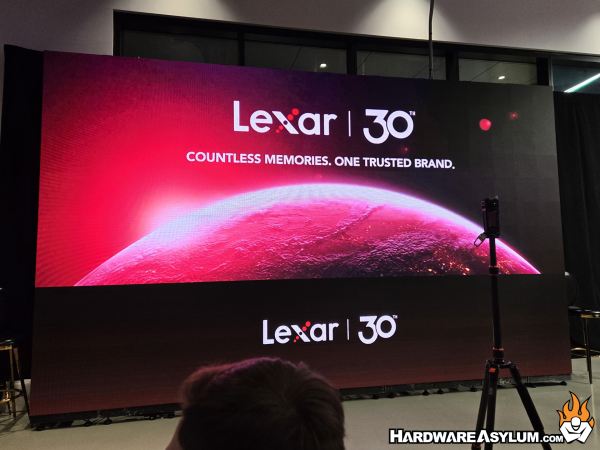
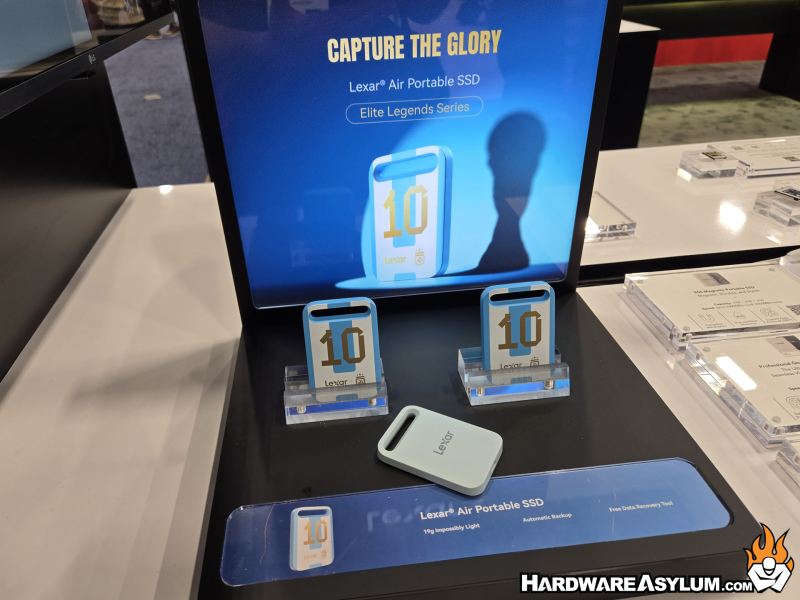
2026 marks the 30th year for Lexar and they started CES off with an announcement that they were going to be the global storage partner for the Argentina National Football (Soccer) Team and hosted a very informative press conference discussing the Lexar company history and a series of co-branded products including the Lexar Air Portable SSD and Lexar SL500 Portable SSD. Both extremely fast storage solutions for professionals on the go.
One of the items I found interesting was the launch of two new M.2 SSDs.
- Lexar Play X NVMe SSD
- Lexar AI-Grade SSD

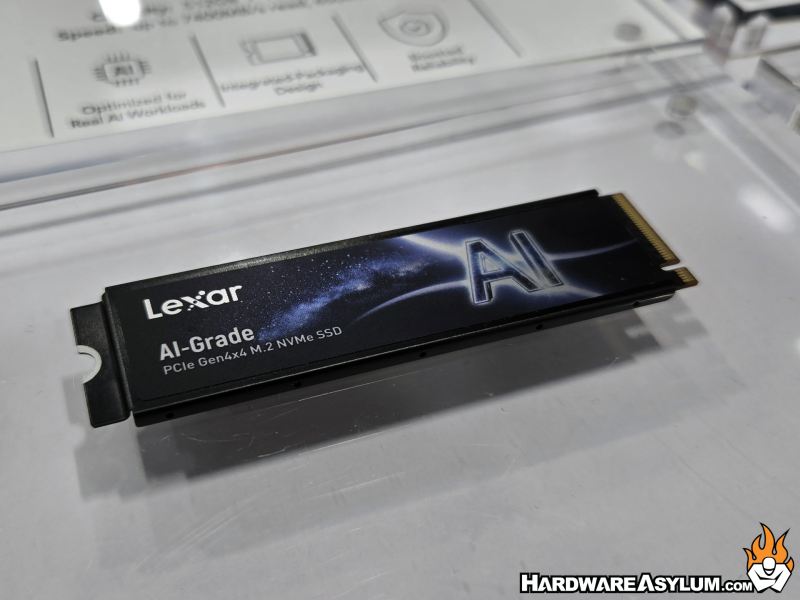
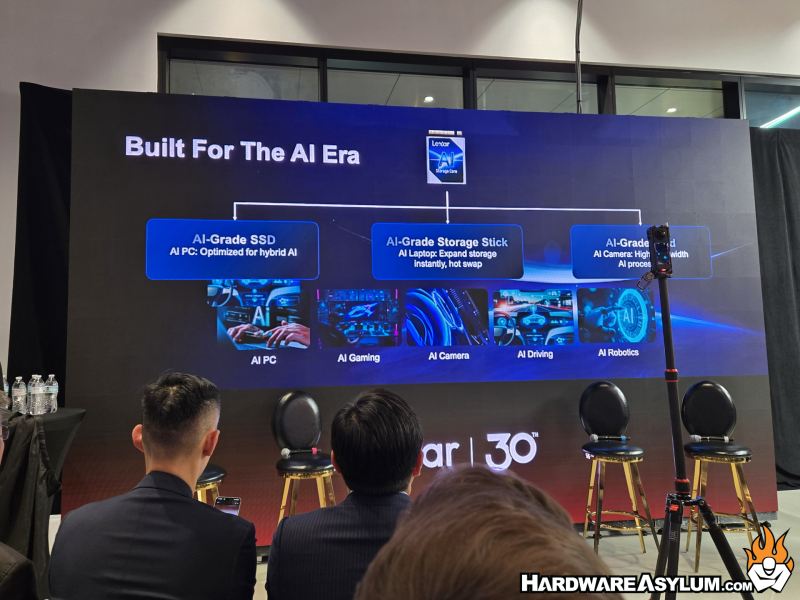
From the information at the Lexar booth these two new drives both feature capacities between 512GB and 4TB with speeds up to 7400MB/s read and 6500MB/s write. While the drives appear to be similar on the surface I was told the AI-Grade SSD has an optimized firmware for AI workloads across all industries including PC, Gaming, Camera, Driving and Robotics.
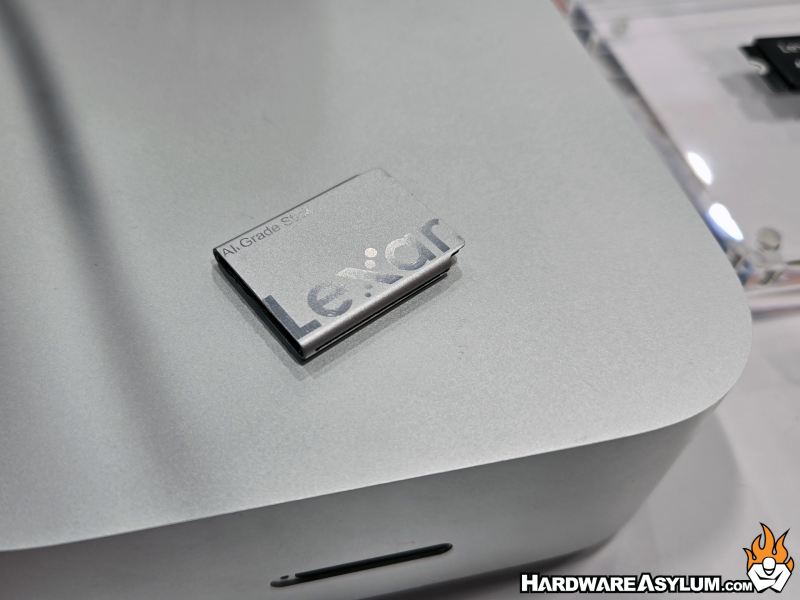
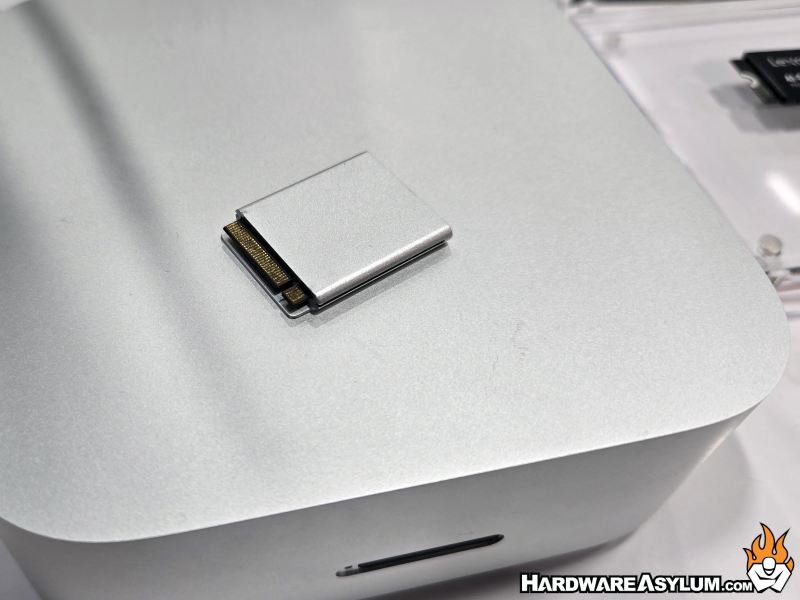
Many of us associate AI with GPUs but often forget that AI content generation is a storage task and while just about any drive will complete the task there are certain optimizations that will make the process more efficient and better align with those unique workloads.