
SilverStone FLP02 Retro Inspired Case Review
Author: Dennis Garcia
Introduction
There are several things that I love and Hardware Asylum encompasses a great majority of them from Overclocking to Enthusiast PC Builds, Casemodding and most everything in between. A recent passion of mine has been diving back into the world of Retro PCs and while the cellphone generation is just now discovering the joys of old computers, I have been fortunate (or unfortunate) enough to have lived through most of it.
While I chuckle at some of the Retro PC inspired posts that you'll find on social media I am humbled in knowing that old PCs can still be useful for certain things like gaming and reliving how things were done, not so long ago.
In this review we will be looking at the SilverStone FLP02 Retro Inspired computer case. This is not a blast down memory lane but rather a standard ATX computer case supporting full sized ATX motherboards, vertical GPUs and AIO watercoolers.
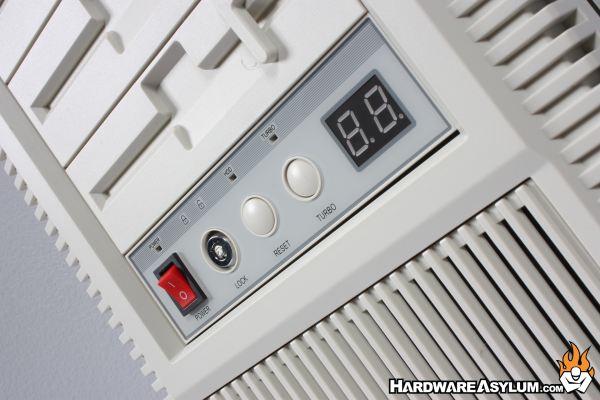
What makes this case special can be summed up I two parts.
First it is Retro Inspired meaning that it is designed to look like a typical computer case from the mid to late 90’s. Computers back then were built mostly from folded steel and featured a very unique ABS plastic color of beige, off white, tan or light grey. It wasn’t until the mid-2000’s that we started getting computer cases in alternative colors.
Second, and more important, the SilverStone SST FLP02 is, a factory casemod and is actually based on another chassis that has been on the market for a couple years, the SilverStone SETA D1.
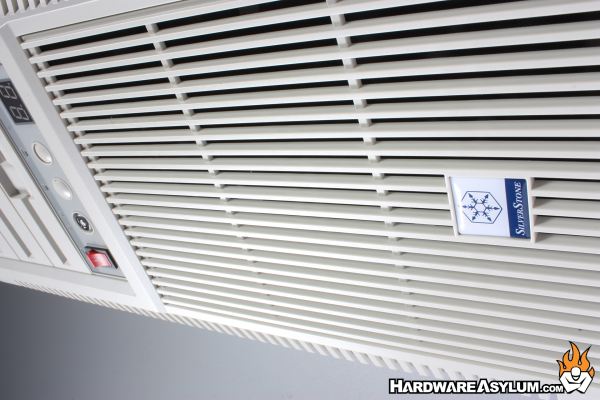
One of the defining characteristics of computer cases from the late 90’s is that the hardware we installed often produced more heat than could be dissipated and the quality of the electronics required a certain amount of shielding to pass the regulations meaning that cooling was often a problem.
Around this time the process of overclocking started to become a popular way to get the most from your budget computer and required that certain modifications be made. This included adding additional fans to your cases, installing larger heatsinks and tweaking and tuning clock frequencies to get the most performance possible.
These mods created an entire sub gerne of Casemodders who started to push the limits by adding side widows, lights, fans and discovering new ways to route cables. This really cleaned up these system builds and became a status symbol at the local LAN party.
If all of this sounds familiar, it should be. Every popular trend in the enthusiast PC world has eventually been adopted by the hardware makers. Enthusiasts want to overclock then motherboard and video card makers build boards to support those demands which later become a selling point for that component. Heatsink makers have started to design better coolers to not only support overclocking efforts but to also become more efficent and quiet. Case makers started offering pre-modded designs with side panels and extra fans. These designs later translated into design with designated cable routing, custom colors, lights and tempered glass side panels.